
Beauty Treatments to Consider Before Your Wedding Day
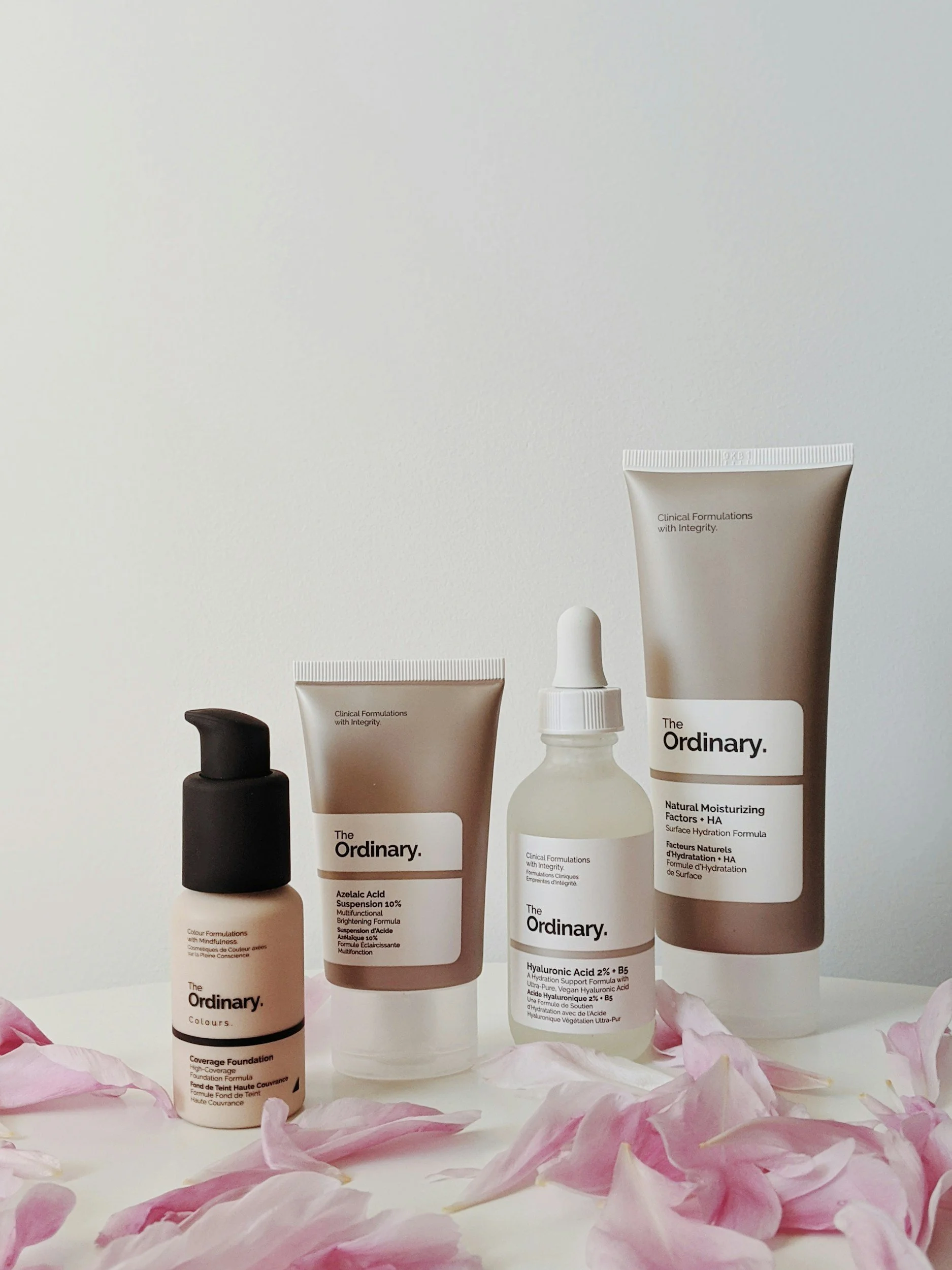
There's a reason "bridal glow" is such a well-worn phrase - on your wedding day, your skin is doing more work than almost any other feature.
It's what your makeup sits on, what catches the light in every photo, and what people mean when they say you're "glowing."
As a bridal makeup artist, I always say the same thing to my brides: the better the canvas, the better the makeup looks & and the better it lasts through the whole day.
The good news is that smooth, even, camera-ready skin isn't just genetics or luck. It's largely the result of a bit of planning in the months before the big day.
If you're wondering where to start, here's a rundown of some of the most popular skin treatments brides consider in the lead-up to their wedding, what each one actually does, and roughly when to think about fitting it into your countdown.
As with anything involving your skin, please chat to a qualified dermatologist or medical professional before starting any new treatment. They can tailor a plan to your skin type, flag any risks, and make sure everything is timed safely around your big day.
Start Early: Retinol, Tretinoin, or Chemical Peels
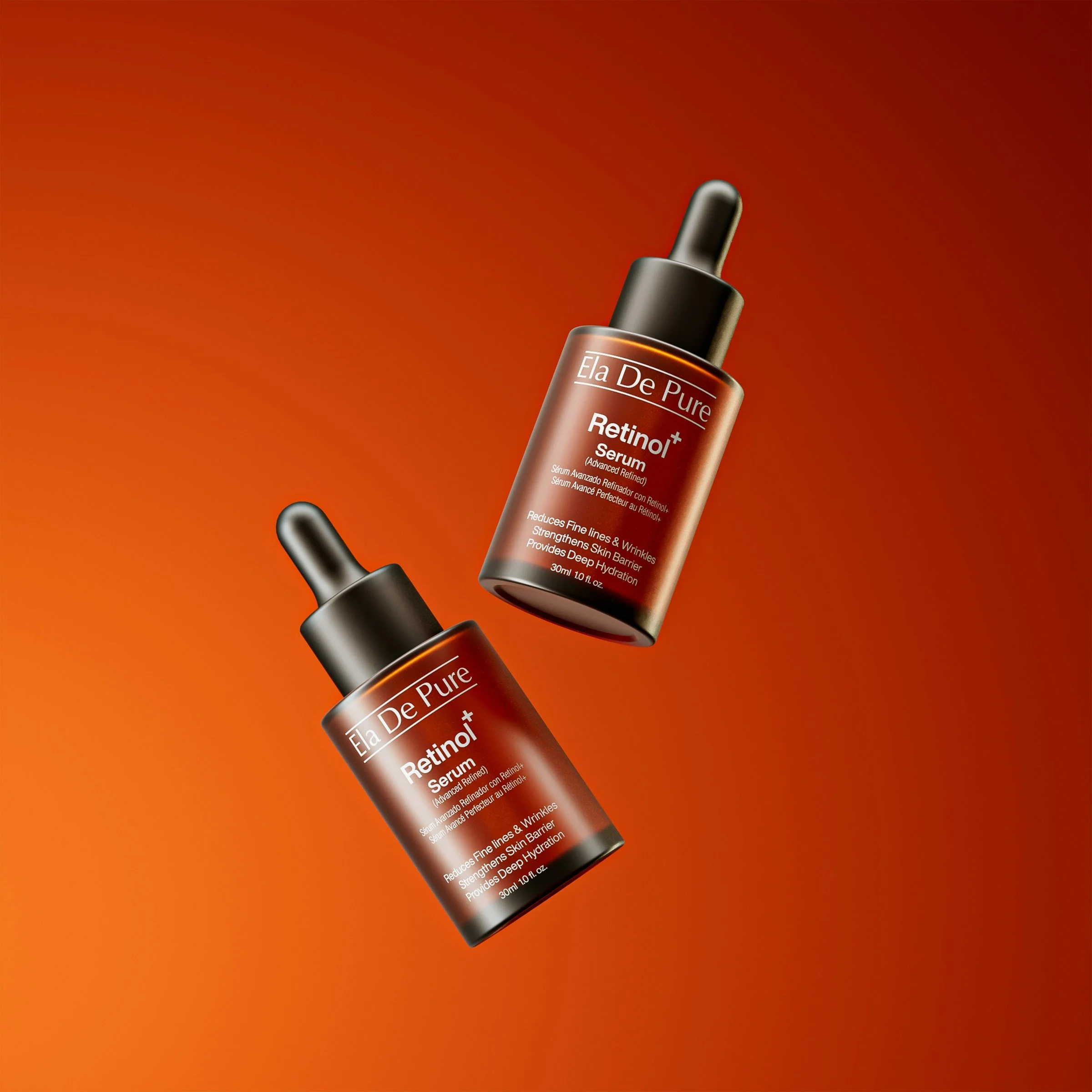
What it is: Retinol and tretinoin are vitamin A derivatives that speed up skin cell turnover. Chemical peels use acids to dissolve the "glue" holding dead skin cells together.
How it works: Your skin naturally sheds dead cells and produces new ones, but that process slows down as we age or when skin is congested. Retinoids work by binding to skin cell receptors and telling them to turn over faster, which pushes fresh, plump cells to the surface sooner. Peels achieve a similar end result from the outside in, using acid to loosen and lift away the outer layer of dulling, dead skin.
Why brides love it: Removing that buildup of dead skin is one of the single biggest factors in how makeup applies. Dead skin creates a rough, sometimes flaky surface that foundation clings to unevenly, exaggerating texture and dry patches. Regular use smooths the surface, fades pigmentation, softens fine lines, and generally gives skin a brighter, more even tone underneath your makeup.
Timing tip: These need the longest runway. Retinoids can cause purging, redness, and increased sun sensitivity, so most dermatologists recommend starting three to six months out and stopping stronger formulations or peels at least a few weeks before the wedding so your skin has fully settled.
Dermaplaning
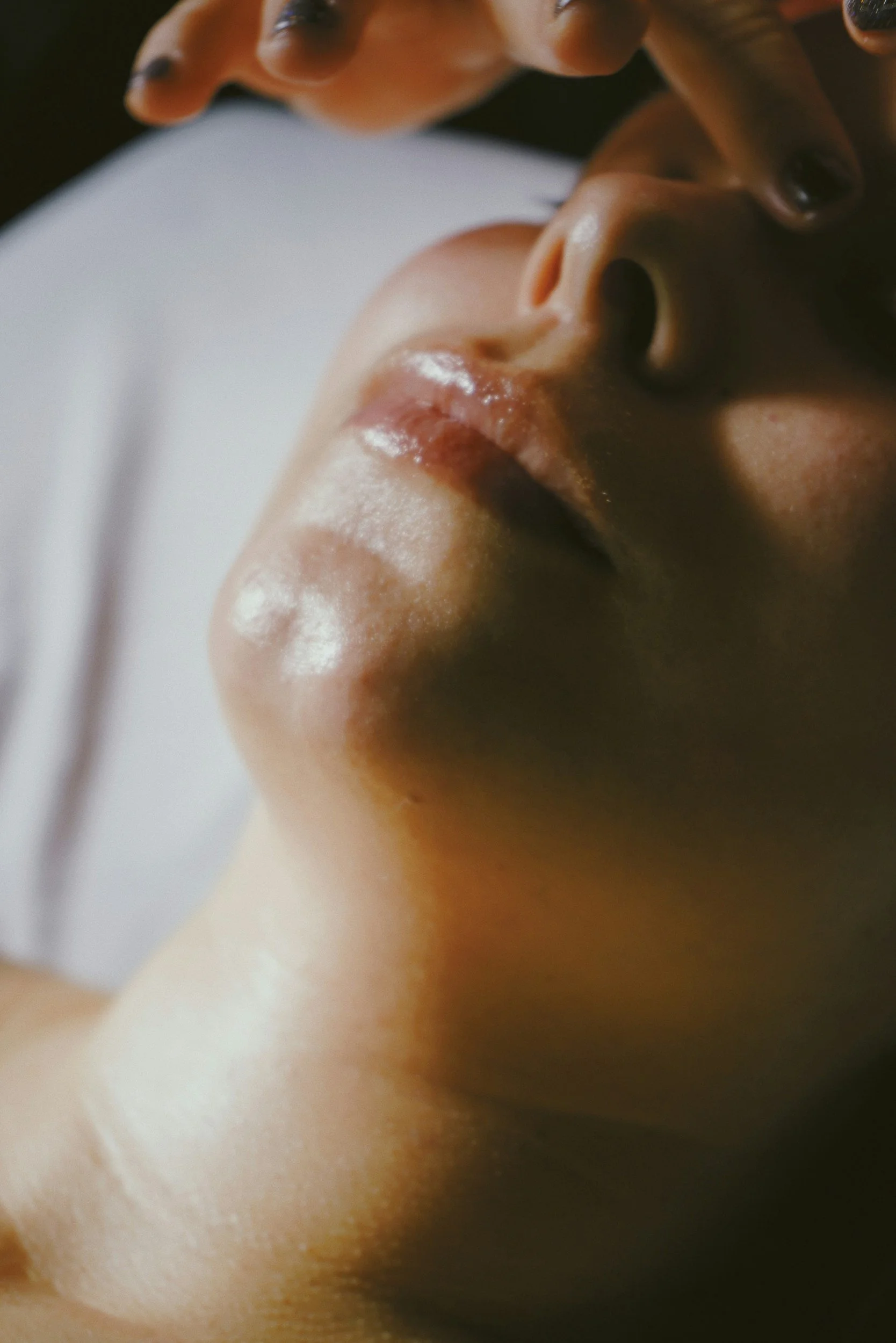
What it is: A manual exfoliation treatment where a fine surgical blade is gently used to scrape away the top layer of dead skin along with the fine vellus hair (often called "peach fuzz") on the face.
How it works: The blade is held at an angle and moved in short strokes across the skin, physically lifting off dead skin cells and hair in one pass. There's no downtime and no active ingredients involved - it's purely physical exfoliation.
Why brides love it: Removing peach fuzz means makeup goes on completely smooth, without any texture or shadowing from fine hairs, which can be especially noticeable in flash photography. It also instantly brightens the skin and helps skincare products absorb better afterwards.
Timing tip: This is one of the safest treatments to do close to the wedding. Many brides book it a few days before, since results are immediate with no real recovery time.
Facials
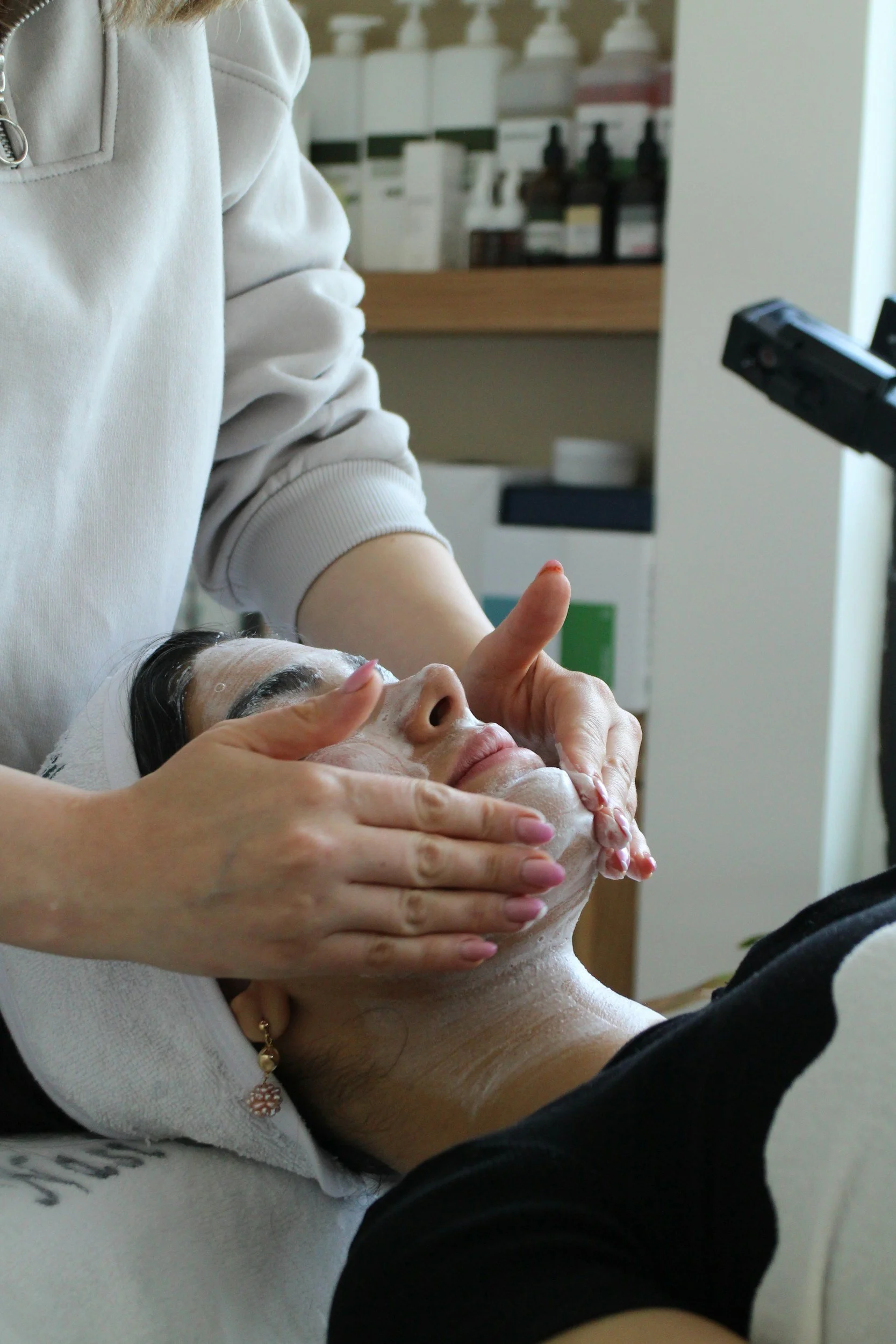
What it is: A broad category of professional skin treatments that typically combine cleansing, exfoliation, extractions, masks, and hydration, tailored to your skin's needs.
How it works: A facialist assesses your skin and uses a combination of steam, manual extraction, massage, and targeted products to clear congestion, hydrate, and stimulate circulation.
Why brides love it: Regular facials in the lead-up help keep breakouts under control, maintain hydration, and give skin a healthy, plump appearance. The improved circulation from facial massage can also give a temporary brightening effect, which is why many brides book one in the final week too.
Timing tip: Great for ongoing maintenance throughout your engagement, plus one gentle, hydrating facial a few days before the wedding for that last bit of glow. Just avoid anything with strong extractions or active ingredients right before the day.
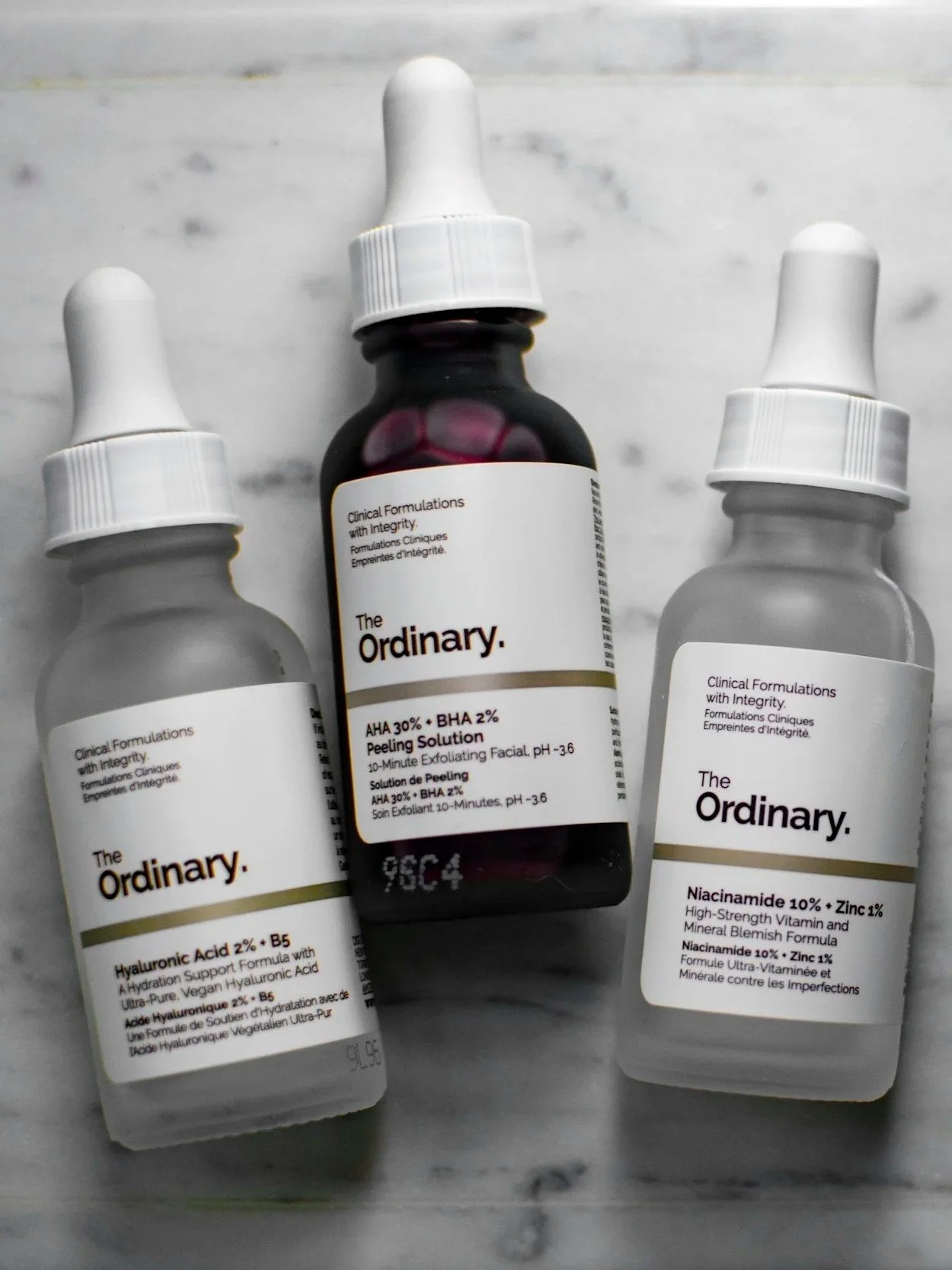
Peel Pads and Mild Acids (Lactic Acid & Friends)
What it is: At-home exfoliating pads or serums containing gentle alpha-hydroxy acids (AHAs) like lactic acid, or beta-hydroxy acids (BHAs) like salicylic acid, used a few times a week rather than as an in-clinic treatment.
How it works: These acids work similarly to professional peels but at a much lower strength, gently loosening the bonds between dead skin cells so they slough off with regular use. Lactic acid in particular is also a humectant, meaning it draws in moisture as it exfoliates.
Why brides love it: This is a lower-commitment, lower-irritation way to maintain the smooth texture you build with stronger treatments like retinol or peels. It's an easy addition to a nightly routine and helps keep skin refined and even in the months of "maintenance" between bigger in-clinic treatments.
Timing tip: Gentle enough to use consistently for months, though it's still worth easing off a day or two before the wedding to avoid any sensitivity.
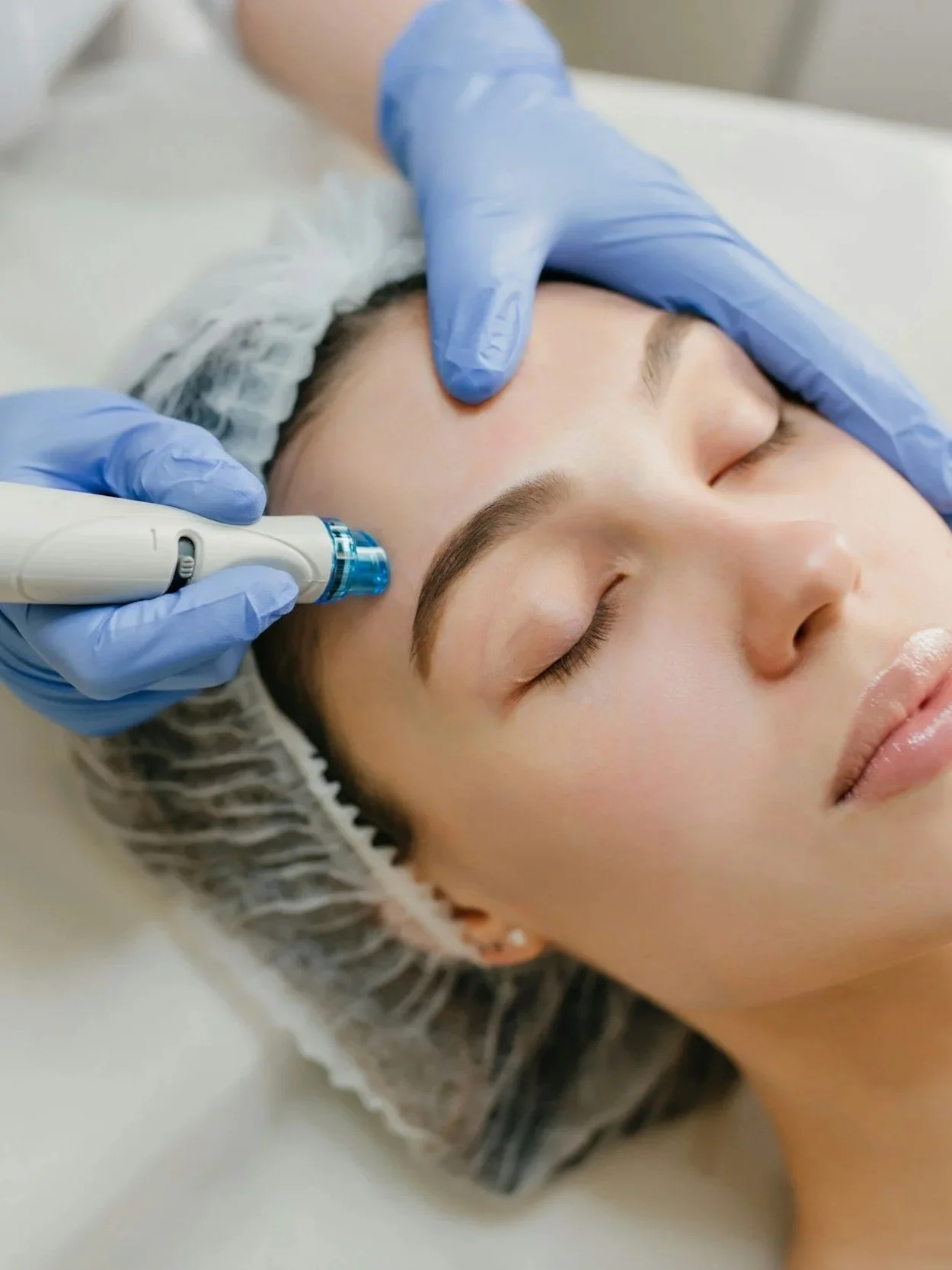
Microneedling and Laser Treatments
What it is: Microneedling uses fine needles to create tiny, controlled punctures in the skin, while laser treatments use targeted light energy. Both aim to stimulate the skin's own repair process.
How it works: The micro-injuries from needling (or the heat from lasers) trigger your body's natural wound-healing response, which includes ramping up collagen and elastin production. Over the following weeks, this can improve texture, firmness, and the appearance of scarring or enlarged pores.
Why brides love it: These treatments address deeper, longer-term texture concerns: acne scarring, large pores, uneven tone. Problems surface-level exfoliation can't fully fix. The results build gradually over several weeks as new collagen forms, giving skin a firmer, more refined look for photos.
Timing tip: Because these treatments involve real downtime (redness, swelling, or peeling that can last several days to a week), they need the most lead time of all. Most professionals recommend a course of treatments starting four to six months out, with the final session at least six to eight weeks before the wedding.
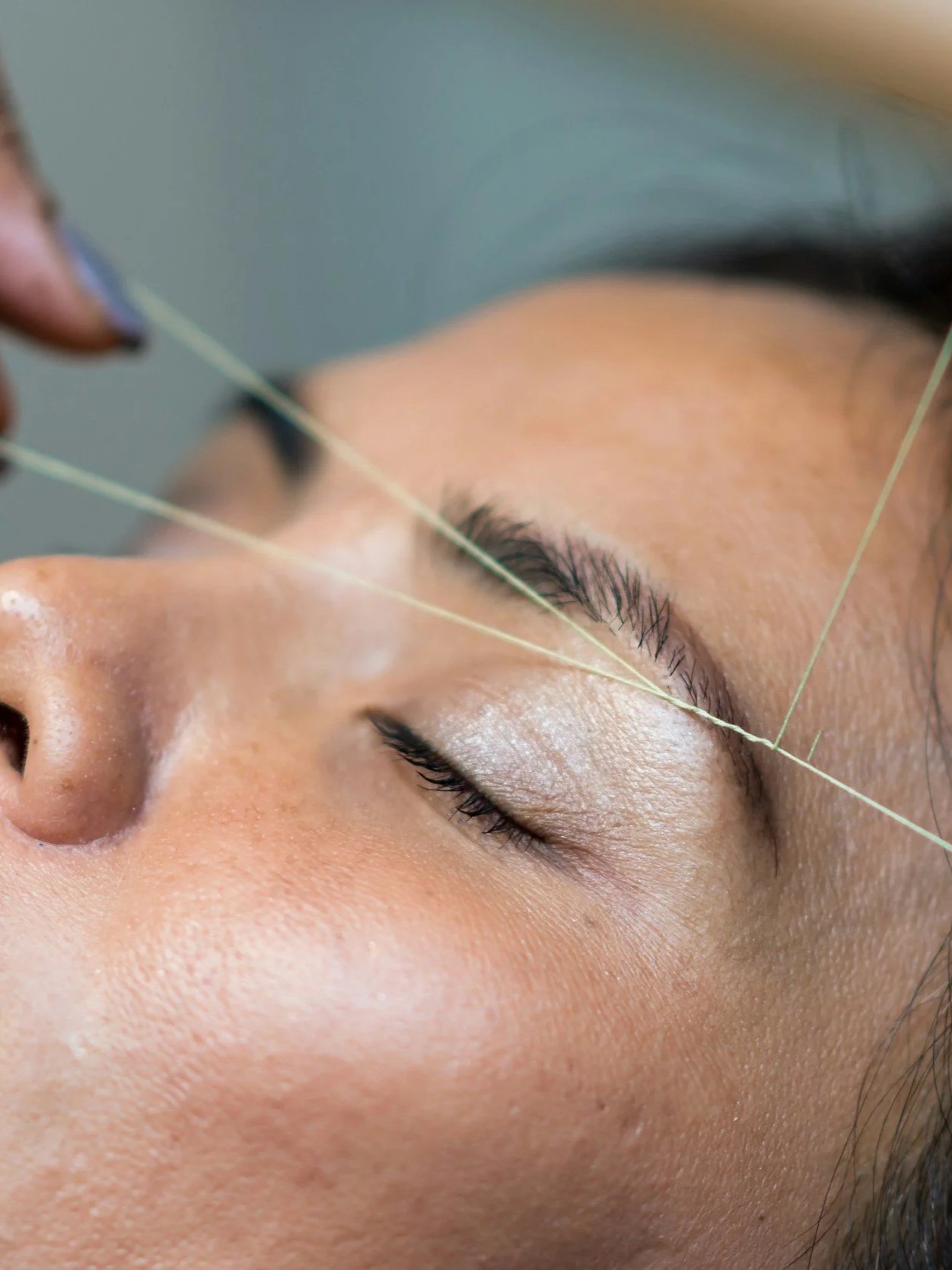
Waxing/Threading
What it is: Hair removal using warm wax to lift hair from the root, commonly used to shape brows or remove lip hair.
How it works: The wax adheres to the hair and is pulled away quickly, removing the hair from the follicle rather than just cutting it at the surface, which is why results last longer than shaving.
Why brides love it: Clean, well-shaped brows frame the whole face, and removing lip hair prevents any shadowing under makeup or in close-up photography. It's a small detail that makes a noticeable big difference in photos.
Timing tip: This is the one treatment worth not doing right before the big day. Waxing can cause temporary redness, irritation, or small bumps, so most beauticians recommend having your final wax three to five days before the wedding, giving any irritation time to settle while the shape still looks fresh.
A Rough Timeline at a Glance
Thinking in broad strokes:
The treatments with the most downtime or biggest transformation (microneedling, laser, retinol/peel courses) belong earliest, roughly four to six months out.
Mid-range maintenance like regular facials and gentle acid pads, can continue right through the engagement.
And the low-downtime, high-impact treatments (dermaplaning, a calming facial, waxing) are best saved for the final one to two weeks, timed so any redness has fully faded by the morning of the wedding.
A Final Word
Every skin type reacts differently, and treatments that work beautifully for one bride can irritate another. Especially when several are combined in a short window.
Before starting any new treatment, especially in the months before your wedding, it's worth booking a consultation with a dermatologist or qualified skin professional. They can help you build a realistic timeline, patch-test anything new, and make sure your skin is calm, healthy, and ready to glow on the day that matters most.
And when it's time to bring it all together on the day, that's where I come in.
As a bridal makeup artist, I love working with brides who've prepped their skin well in advance. It means we can create a soft, luminous, long-wearing finish rather than relying on heavy coverage to mask texture.
If you're planning your wedding makeup and want to chat through your skin prep timeline or book a trial, get in touch.
I'd love to glam you & bring out the most beautiful version of yourself on your special day.
